Flood Damage Cleanup in Wilmington, NC
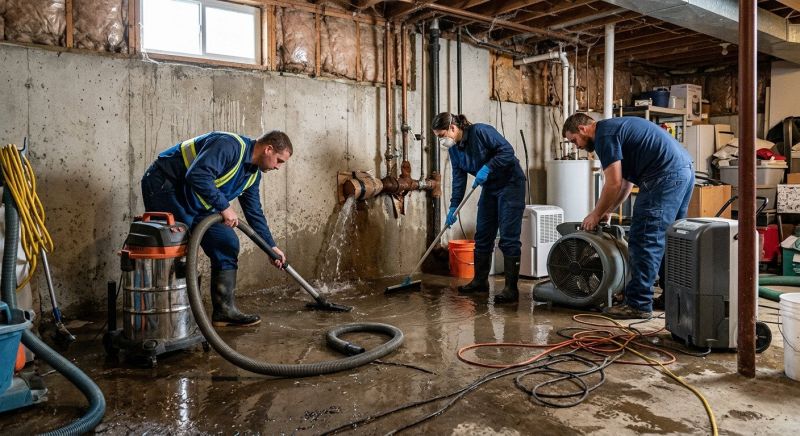
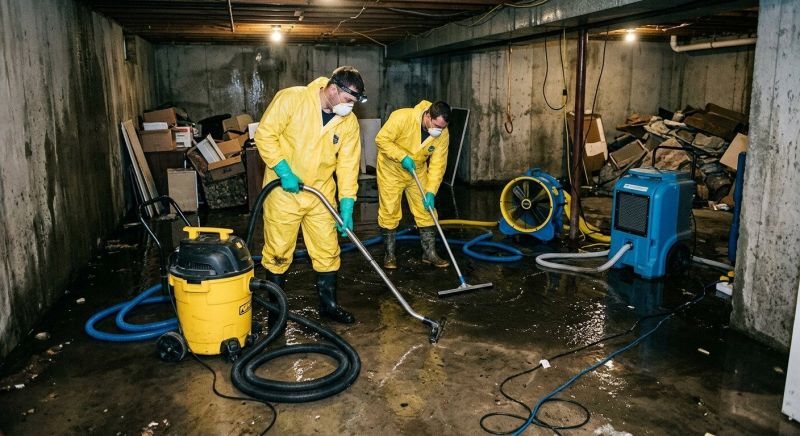
Flood damage cleanup services focus on restoring properties affected by water intrusion caused by storms, burst pipes, or other flooding events. These services typically include removing standing water, drying out affected areas, cleaning and sanitizing surfaces, and addressing any resulting structural or cosmetic damage. Property owners often seek this type of cleanup to prevent mold growth, minimize property loss, and ensure the safety and integrity of their homes after flooding incidents.
Homeowners considering flood damage cleanup usually want to understand what the process involves, how long it might take, and what areas will be affected. It’s important to know whether the service covers both visible water removal and hidden moisture in walls or flooring, as well as the steps taken to prevent future issues. Clarifying these details can help property owners prepare for the restoration process and make informed decisions about restoring their homes after flood events.
Many property owners in Wilmington, NC look into Flood Damage Cleanup for repairs, replacements, upgrades, and appearance-related improvements.
Water Damage Assessment
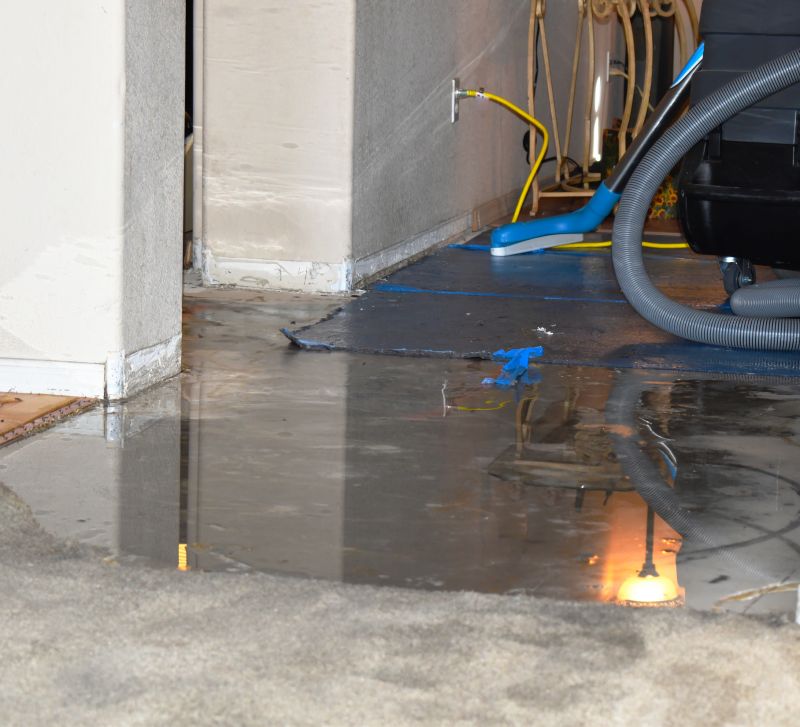
Identifying the extent of flood-related damage to prevent further issues.
Structural Drying
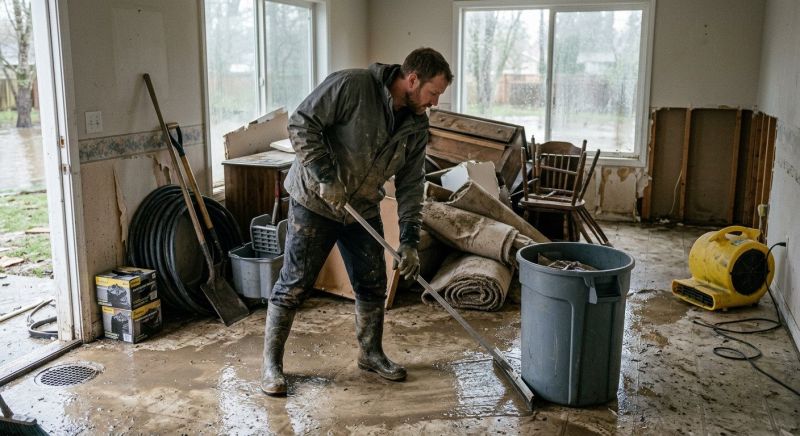
Removing excess moisture to protect building integrity and prevent mold growth.
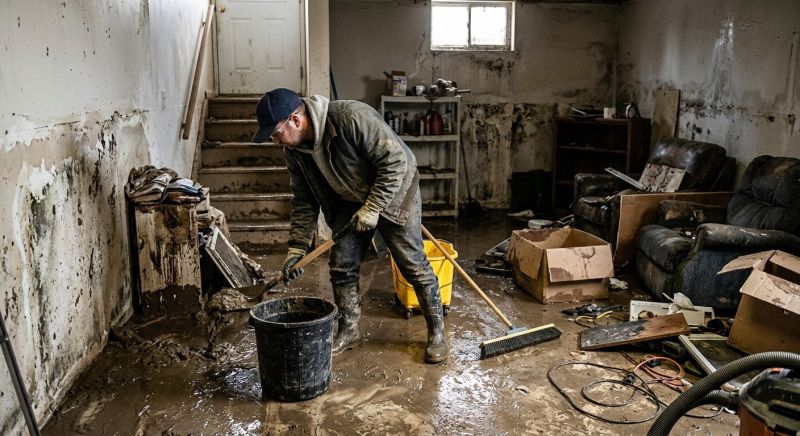
Cleanup And Restoration
Restoring affected areas to their pre-flood condition efficiently and thoroughly.
Flood Damage Cleanup in Wilmington, NC
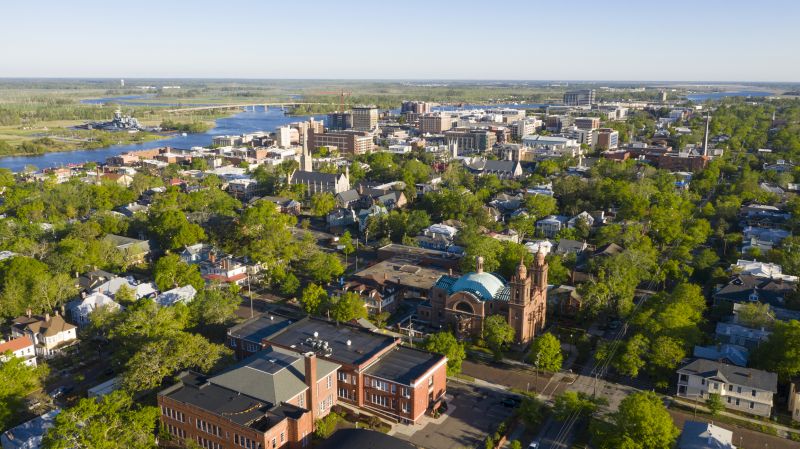
Flood damage cleanup services focus on restoring properties affected by water intrusion caused by storms, burst pipes, or other flooding events. These services typically include removing standing water, drying out affected areas, cleaning and sanitizing surfaces, and addressing any resulting structural or cosmetic damage. Property owners often seek this type of cleanup to prevent mold growth, minimize property loss, and ensure the safety and integrity of their homes after flooding incidents.
Homeowners considering flood damage cleanup usually want to understand what the process involves, how long it might take, and what areas will be affected. It’s important to know whether the service covers both visible water removal and hidden moisture in walls or flooring, as well as the steps taken to prevent future issues. Clarifying these details can help property owners prepare for the restoration process and make informed decisions about restoring their homes after flood events.
Many property owners in Wilmington, NC look into Flood Damage Cleanup for repairs, replacements, upgrades, and appearance-related improvements.
Common Flood Damage Cleanup Jobs
Flood Damage Cleanup - Restores properties affected by water intrusion to prevent further damage.
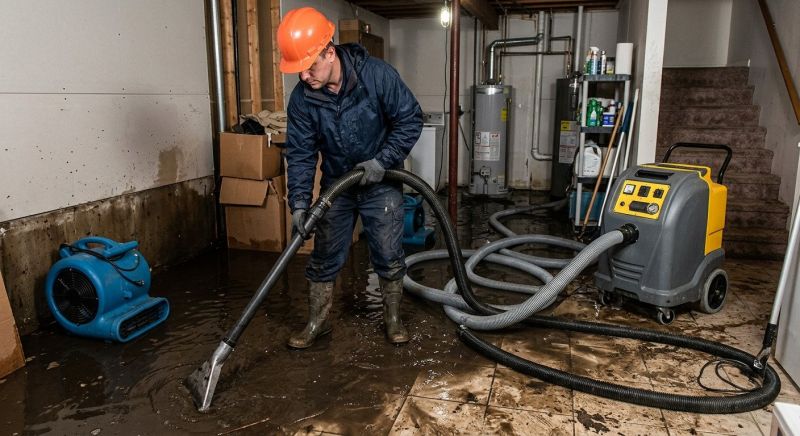
Water Extraction - Removes standing water quickly to reduce structural and property damage.
Structural Drying - Uses specialized equipment to thoroughly dry out walls, floors, and belongings.
Mold Prevention - Addresses moisture issues to inhibit mold growth after flooding incidents.
Content Removal - Safely removes and cleans personal belongings impacted by floodwaters.
Sanitization & Disinfection - Eliminates bacteria and contaminants to restore a safe living environment.
Flood Damage Cleanup Questions
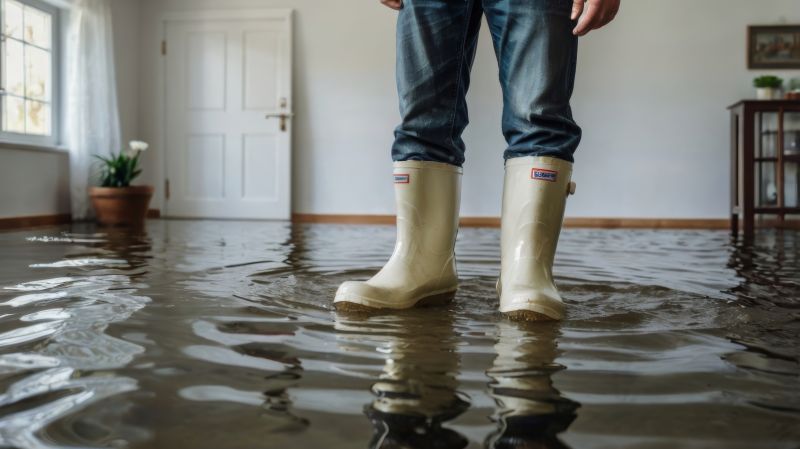
What types of flood damage require cleanup? Flood damage cleanup is needed for water intrusion from storms, burst pipes, or sewer backups that cause moisture and property damage.
How can flood damage affect a property? Flooding can lead to structural issues, mold growth, and deterioration of personal belongings if not addressed promptly.
What areas are typically involved in flood damage cleanup? Cleanup services often include drying out affected areas, removing debris, and disinfecting surfaces to prevent mold and bacteria growth.
What should homeowners do immediately after a flood? It is important to remove standing water, ventilate the area, and avoid electrical hazards until professional cleanup steps are taken.
Request Flood Damage Cleanup in Wilmington, NC
Use the quote form on this page to share the basics of your project and request more information for the type of work you need.